






- Global Q3 Installations Reach New High
The global battery energy storage market recorded strong growth in Q3, with total installations increasing significantly compared to Q1 and Q2. According to industry trackers, the combined residential and C&I (commercial & industrial) sectors contributed more than 65% of the newly added capacity.
Growth was driven by the combination of:
High electricity prices across Europe
Increasing renewable penetration
Policy-driven commercial energy storage adoption
Rapid expansion of hybrid solar-storage systems globally
The global ESS industry continues to move toward mid-to-large-scale deployments, especially in markets with unstable grids or high renewable penetration.
- Europe Leads Residential Storage Growth
Europe remained the fastest-growing region for residential energy storage in Q3.
Key drivers include:
High retail electricity prices in Germany, Italy, and the UK
Strong sales of 5–20 kWh LFP systems
Incentives for home backup systems and PV-storage packages
Growing demand for self-consumption during winter preparation
Germany, Austria, Spain, and Italy showed the strongest order momentum for 10 kWh, 15 kWh, and 20 kWh systems. Installers report shortages of certified LFP battery packs as homeowners accelerate installation before the winter season.
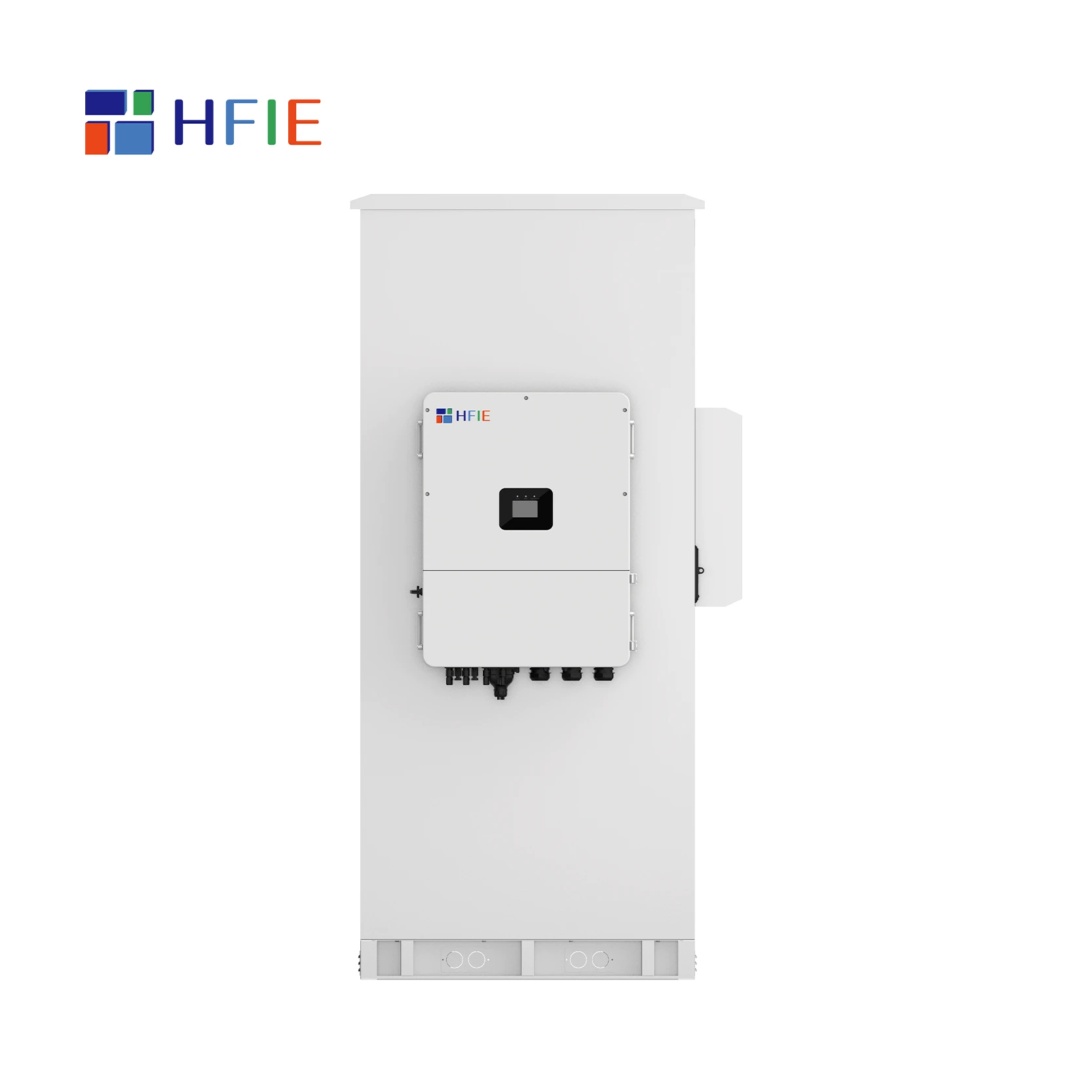
Europe’s shift from traditional lead-acid storage to LFP-based hybrid systems is now nearly complete, with hybrid inverters quickly becoming standard for new installations.
- Latin America Shows Rapid Expansion in C&I Projects
Latin America emerged as one of the fastest-growing C&I storage markets in Q3, with strong activity in:
Chile (mining + industrial parks)
Brazil (factories & commercial rooftops)
Colombia (PV + storage microgrids)
Mexico (industrial manufacturing zones)
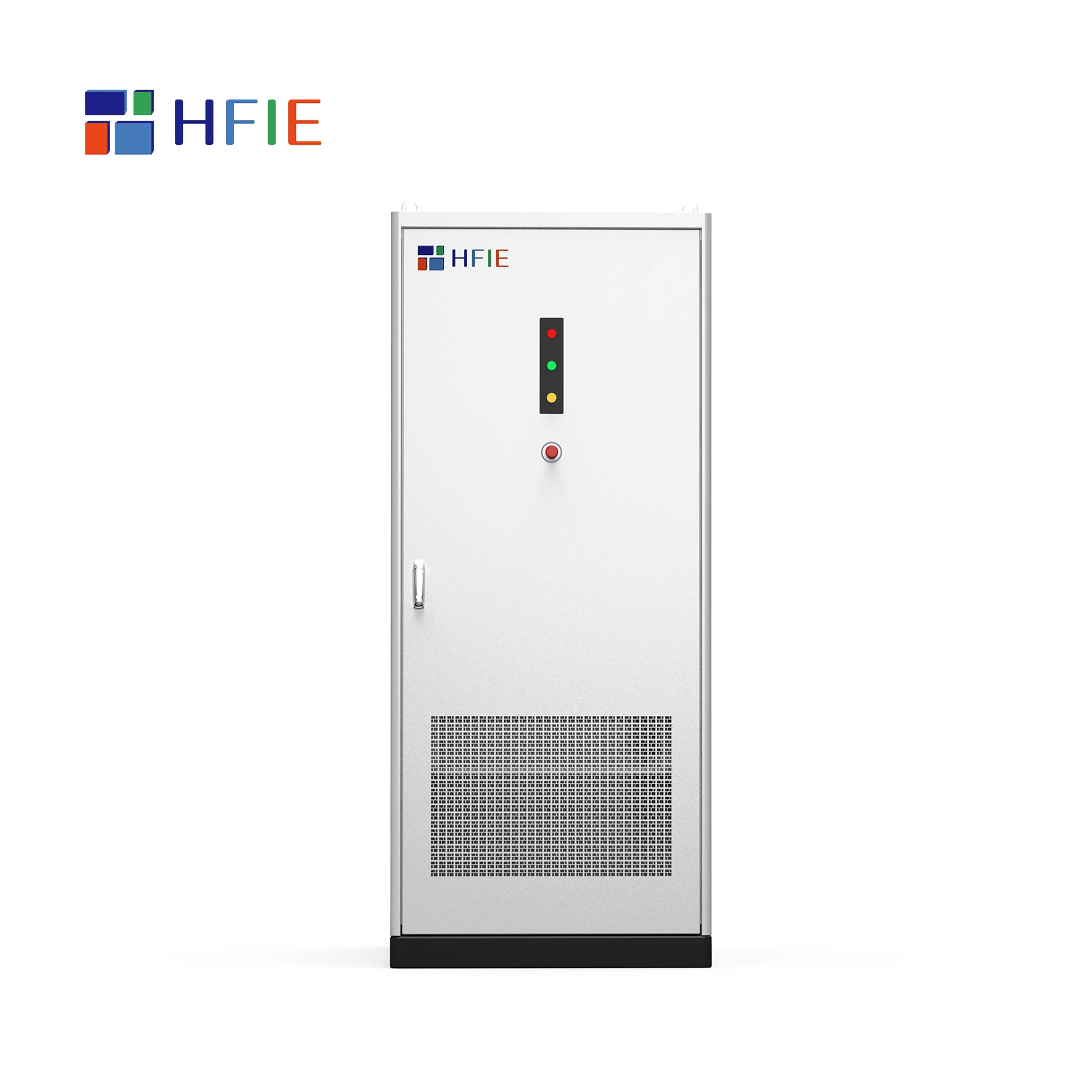
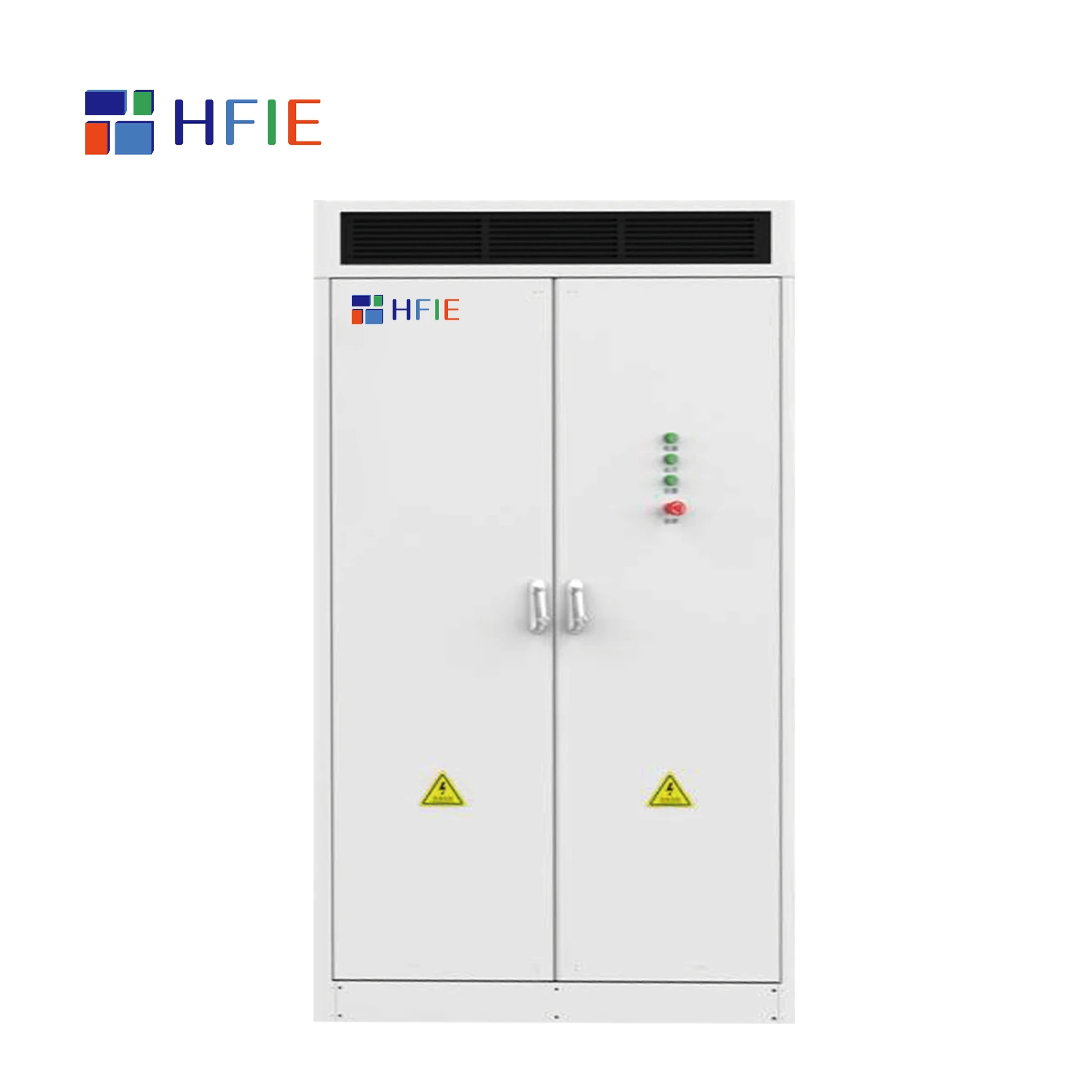
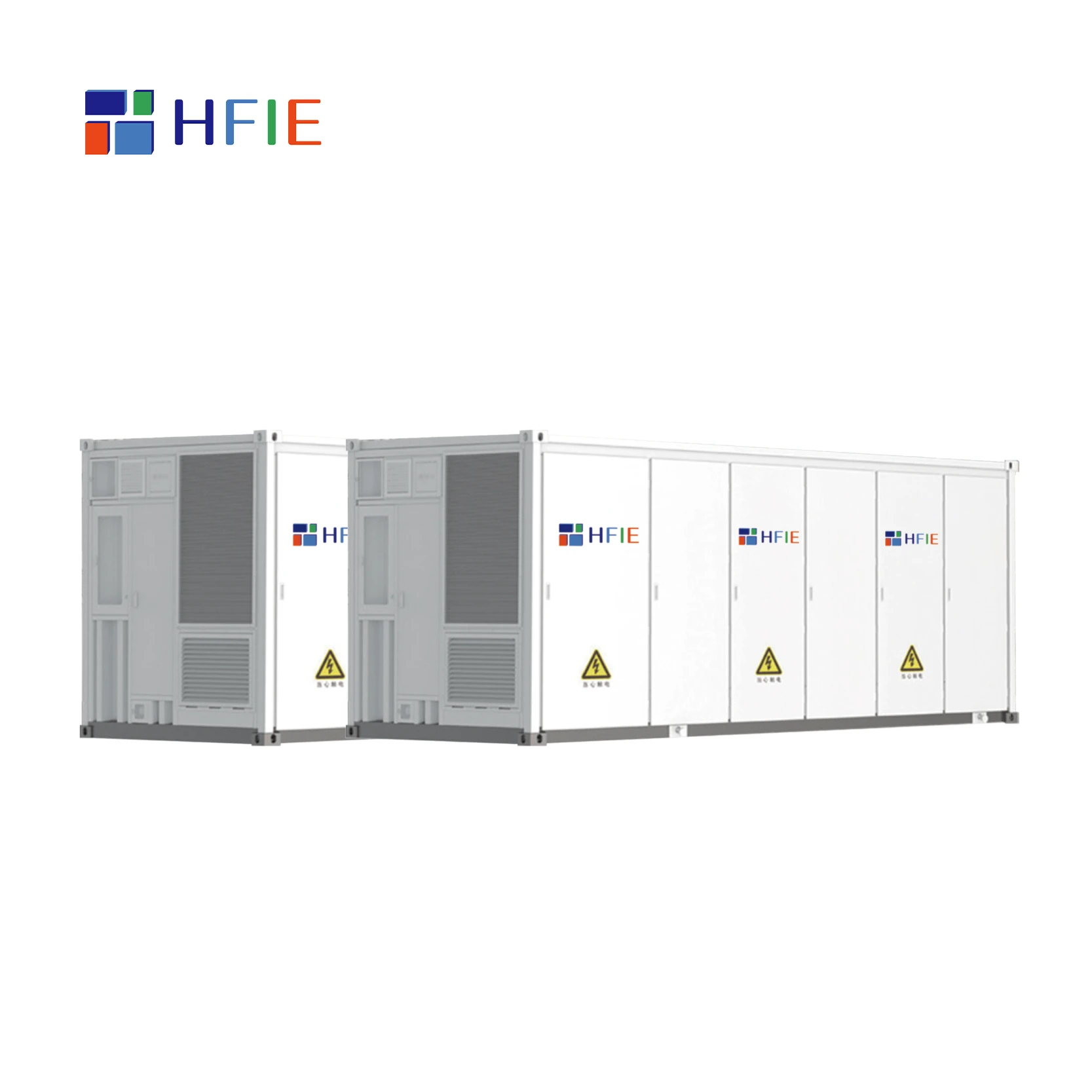
Typical C&I system demand ranges from 50 kW / 100 kWh to 250 kW / 1 MWh, especially in areas with grid instability. Energy storage is increasingly used for peak shaving, demand charge reduction, and energy arbitrage, supported by local policy improvements.
- Hybrid Inverter Demand Rises Due to Technical Shifts
Hybrid inverter shipments grew significantly in Q3, driven by the following technical trends:
① PV + Battery Integration Becoming the Standard
Installers prefer one-box solutions that integrate solar, grid, and battery inputs.
→ Reduces installation time
→ Improves system efficiency
→ Lower total system cost
② High-Voltage LFP Battery Adoption
The shift from LV to HV batteries (150–600V) improves:
Efficiency
Discharge rate
Scalability
Safety
③ Higher Power Requirements
C&I users increasingly demand 50–250 kW hybrid inverters supporting parallel connection and remote EMS management.
These technical factors position hybrid inverters as a cornerstone of global ESS growth.
- HFIE Insights: Demand Outlook for 2025
Based on customer orders and distributor feedback across Europe and Latin America:
HFIE forecasts the following for 2025:
Residential ESS demand in Europe will grow another 20–30%, especially 5 kWh–20 kWh systems
C&I storage (50 kW–250 kW + 100–2000 kWh) in Latin America will double
Hybrid inverter shipments will continue rising due to system simplification
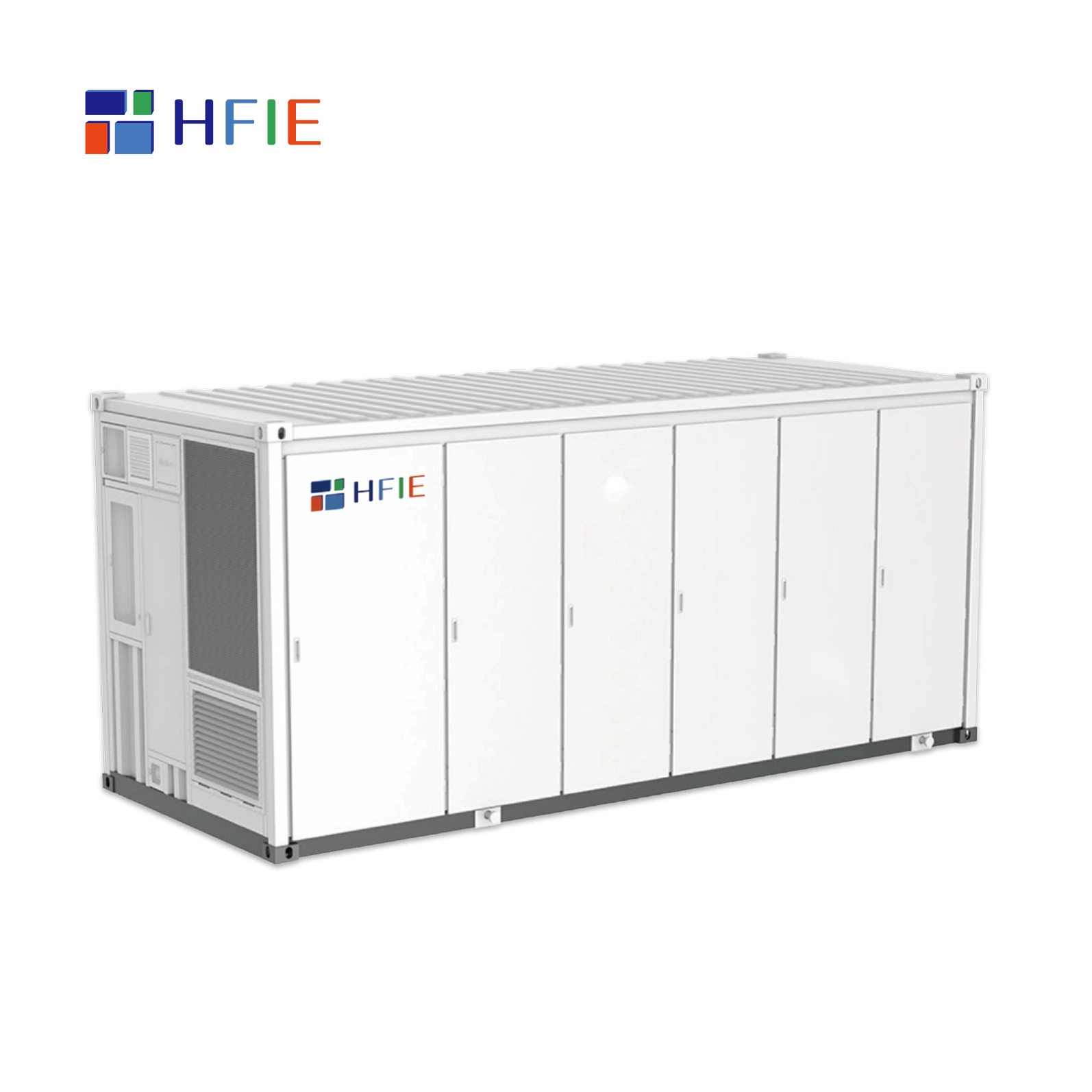
Liquid cooling cabinets (100 kWh–2 MWh) will become mainstream for industrial applications
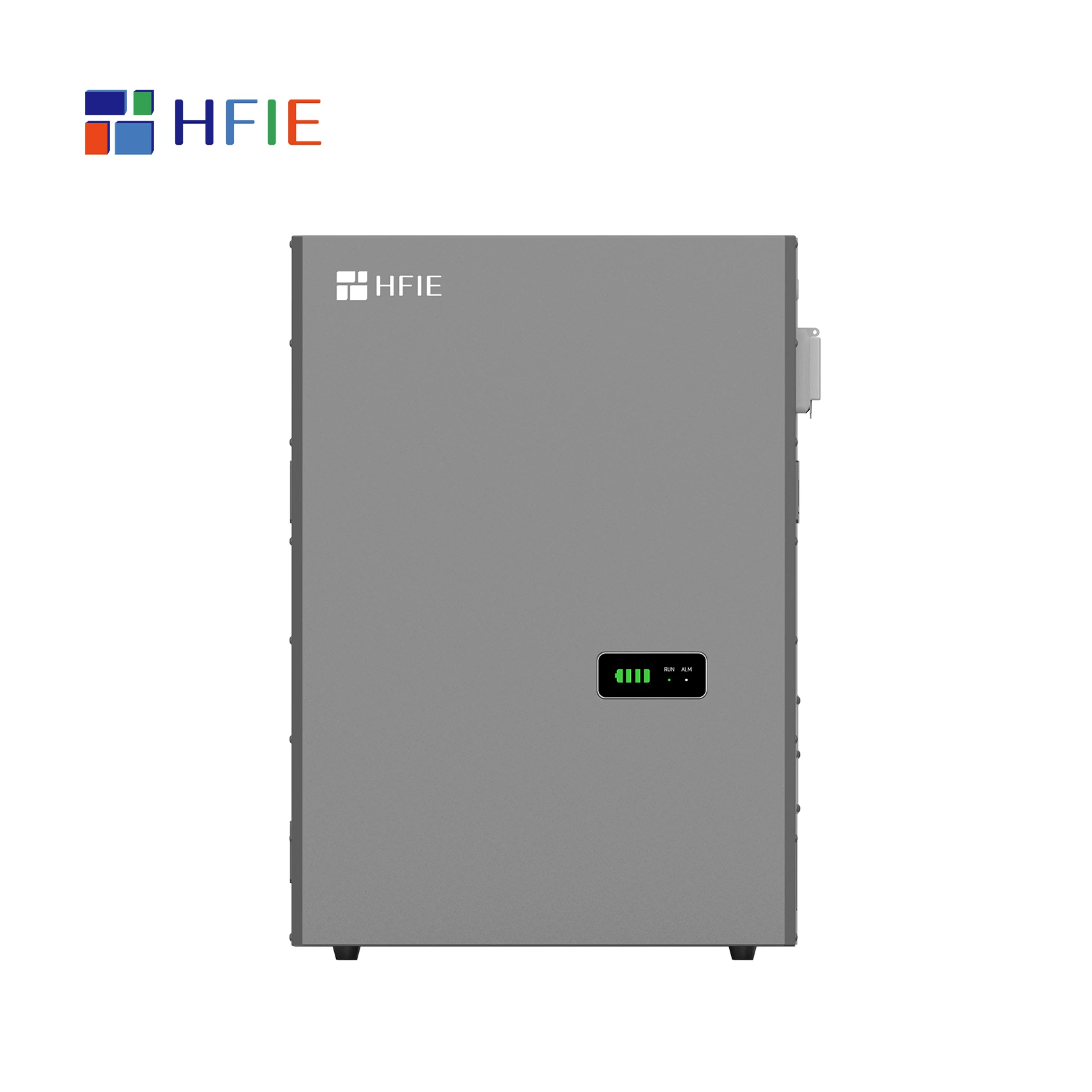
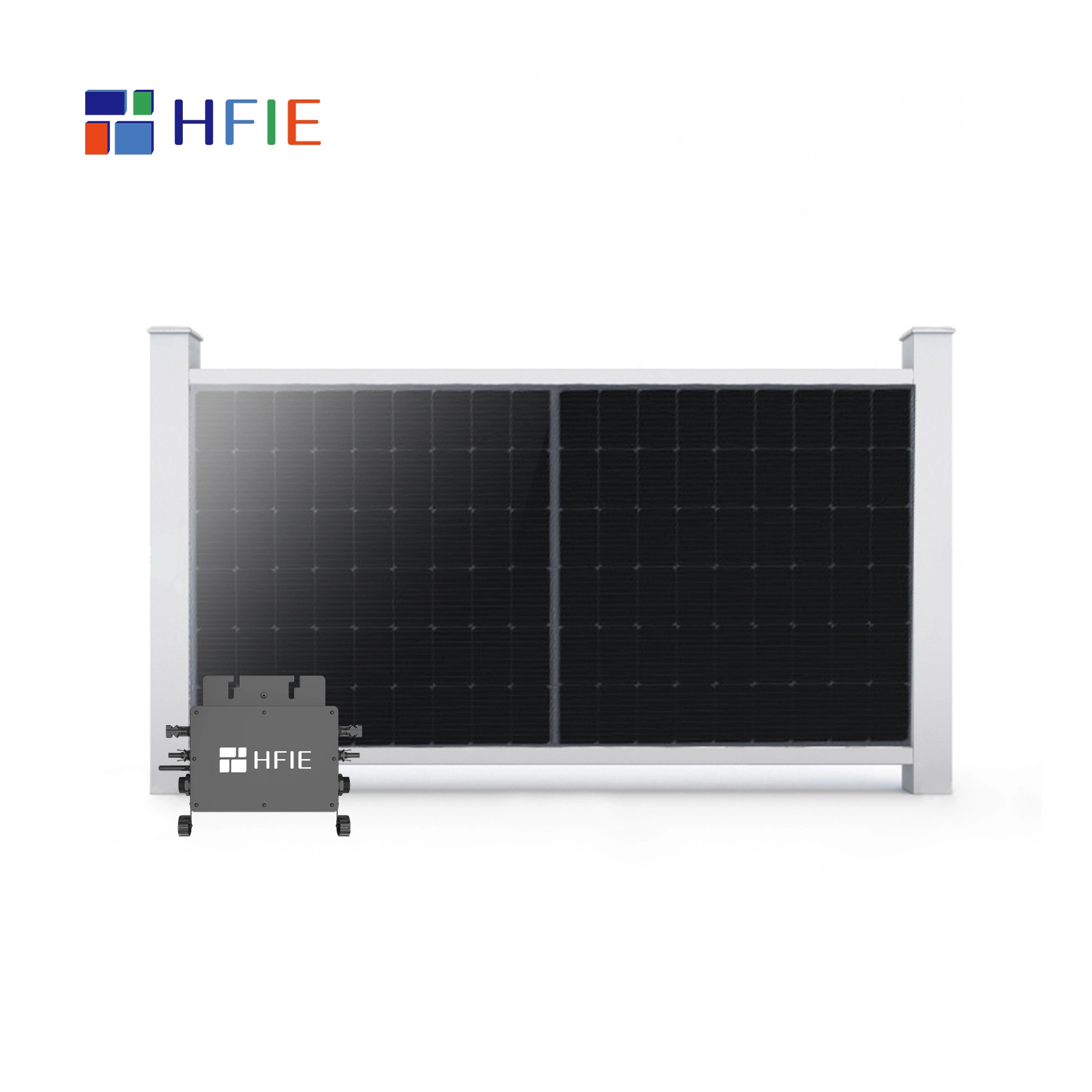
HFIE will continue expanding its product portfolio — including hybrid inverters, LFP batteries, and all-in-one ESS — to match the accelerating global market demand.
